
Hair loss treatments
Published on · 3 min
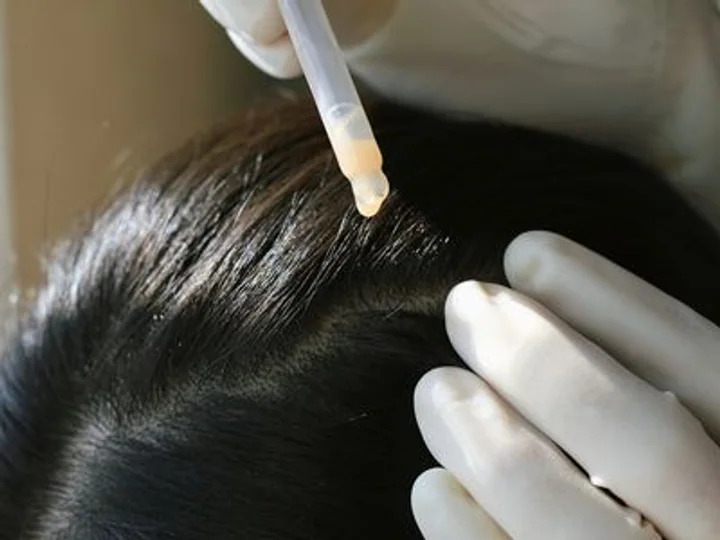
Understanding the hereditary causes and multiple forms of alopecia is key to better protecting your hair. Hair loss can have many origins, and identifying the exact cause is essential for choosing the right treatment.
Hereditary hair loss: androgenetic alopecia
Androgenetic alopecia is the most common form of hair loss, directly linked to a genetic predisposition and increased sensitivity of hair follicles to DHT.
It often begins as early as the age of 20-30, with progressive thinning at the temples and the top of the skull, which can progress to irreversible baldness if not treated quickly.
- Genetic predisposition transmitted by both parents.
- Approved treatments: Minoxidil for men and women, Finasteride reserved for men.
- Hair transplantation remains the ultimate solution for permanently restoring bald areas.
- A prompt consultation with a dermatologist is essential for an accurate diagnosis.
Hormonal hair loss
Hormonal fluctuations, particularly during pregnancy, postpartum, menopause or in cases of polycystic ovary syndrome, can cause temporary or progressive hair loss.
In women, the decrease in estrogen and the relative increase in androgen accelerates the hair cycle, leading to diffuse alopecia across the entire scalp.
Appropriate medical monitoring makes it possible to identify these hormonal causes and to adapt the treatments.
Emotions: Stress and emotional shocks
Intense or prolonged stress can trigger telogen effluvium hair loss, characterized by diffuse hair loss across the entire scalp.
This phenomenon is often reversible, generally occurring 2 to 3 months after the stressful event. Regrowth is possible within a few months with appropriate treatment.
- Telogen effluvium: a reversible phenomenon affecting thousands of hairs simultaneously.
- Combined approaches: stress management, relaxation techniques, tailored nutritional supplements.
Reactive hair loss
This decline occurs in reaction to various external or internal factors such as severe nutritional deficiency, systemic disease, aggressive drug treatment, or significant physical shock.
It manifests itself as a diffuse and temporary loss, often easily detectable by a noticeable excess of hair when brushing or shampooing.
Treatment is primarily based on identifying and correcting the underlying cause.
Seasonal hair loss: a natural phenomenon
Seasonal hair loss usually occurs in the fall and spring, linked to a natural hair cycle influenced by variations in natural light and temperature.
It is temporary (2-4 weeks) and does not usually require specific treatment, but good hair hygiene and a balanced diet can limit its intensity.
Scarring alopecia: irreversible hair loss
This rare and serious form is due to the permanent destruction of hair follicles by chronic inflammatory or infectious processes (lupus, lichen planus, severe burns).
It is characterized by bald patches with smooth, shiny skin and sometimes visible signs of inflammation.
Early diagnosis is absolutely crucial to limit progression with powerful anti-inflammatory treatments.
Traction alopecia: a consequence of overly tight hairstyles
Caused by prolonged and repeated mechanical tension on the hair (tight braids, heavy extensions, very tight ponytails), it leads to localized hair loss often visible at the temples or forehead.
- If detected early, changing hair care habits allows for complete regrowth.
- In cases of prolonged injury over several years, the loss can become permanent.
Alopecia areata (alopecia areata): an autoimmune hair loss
This autoimmune disease causes sudden and localized hair loss in round patches, which can progress to total loss of the scalp (total alopecia) or of all body hair (universal alopecia).
- Treatments: local or injected corticosteroids, immunomodulators for severe cases.
- Psychological support is essential in the face of the emotional impact.
- In many cases, spontaneous or induced remission is possible.